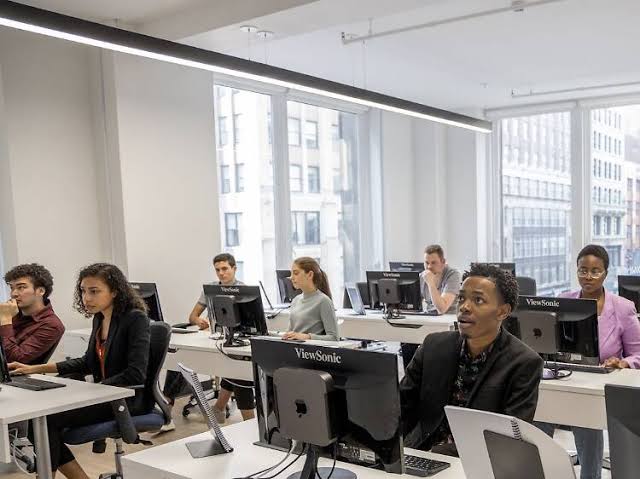
A livestreaming bootcamp can be a good shortcut for beginners who want to learn digital media skills faster. Instead of collecting random tutorials from everywhere, a bootcamp usually gives a clearer path, practice tasks, and guidance from people who understand the field.
Still, joining a bootcamp without checking the details can be risky. Some programs are useful, but others may be too general, too expensive, too advanced, or too focused on hype. A beginner can easily pay for a course that looks exciting on the outside but feels empty once the lessons begin.
Before joining any livestreaming bootcamp, it is better to slow down for a moment. A good decision at the beginning can save money, time, and energy later. The goal is not only to join a program, but to join the right program for your current skill level and learning needs.
Why A Livestreaming Bootcamp Needs Careful Consideration
A bootcamp usually promises a more focused learning experience than casual online tutorials. That can be helpful, but it also means beginners need to check whether the program truly matches their goals.
Bootcamps Are Usually More Intensive
Unlike a single online tutorial, a bootcamp may include several lessons, assignments, practice sessions, feedback, or group activities. This can help beginners improve faster, but only if the program is well organized.
A rushed bootcamp can feel like standing under heavy rain with a small notebook. Too much information comes at once, and the beginner has no time to absorb it.
That is why checking the structure matters. A good bootcamp should explain what students will learn each week, what skills they will practice, and what kind of result they can realistically expect.
Not Every Program Fits Every Beginner
Some livestreaming bootcamps are designed for creators. Some are made for online sellers. Others may focus on webinar hosting, event production, social media live sessions, or technical streaming setup.
A beginner should not join only because the word “livestreaming” sounds relevant. The program should match the real purpose.
For example, someone who wants to host online classes may not need a bootcamp focused heavily on gaming streams. A small business owner may need selling flow and product demo practice more than advanced production software.
6 Mistakes To Avoid Before Joining A Livestreaming Bootcamp
Before paying for a program, beginners should check a few important things. These mistakes may look simple, but they can decide whether a bootcamp becomes useful or disappointing.
1. Joining Without Knowing Your Main Goal
The first mistake is joining a bootcamp without knowing why you need it.
Some beginners only think, “I want to learn livestreaming.” That is a start, but it is still too broad. Livestreaming can mean many different things.
You may want to learn it for:
- becoming a content creator
- hosting webinars
- selling products live
- teaching online classes
- improving social media presence
- supporting business events
- producing live broadcasts for a team
Each goal needs a slightly different skill set. If your goal is unclear, almost any bootcamp may look good at first. Later, the lessons may feel unrelated.
Before joining, write one simple sentence:
“I want to learn livestreaming because I want to…”
That sentence can become your small compass. Without it, even a good bootcamp can feel like the wrong road.
2. Ignoring The Curriculum Details
The second mistake is not reading the curriculum carefully.
A bootcamp page may use big words like “master livestreaming,” “become a professional creator,” or “build powerful live content.” Those phrases sound attractive, but beginners need more than shiny promises.
Check whether the curriculum includes practical topics such as:
| Bootcamp Topic | Why It Matters |
|---|---|
| Content planning | Helps beginners avoid messy live sessions |
| Basic setup | Covers camera, microphone, lighting, and internet |
| Hosting practice | Builds speaking flow and confidence |
| Audience interaction | Teaches how to respond during live sessions |
| Safety basics | Helps protect privacy and manage online risks |
| Review or feedback | Helps students improve after practice |
If the curriculum is vague, be careful. A serious bootcamp should not hide the learning path behind pretty words.
3. Choosing A Bootcamp Only Because It Looks Popular
Popularity can be a useful signal, but it should not be the only reason to join.
A livestreaming bootcamp may look popular because of strong marketing, influencer promotion, or beautiful social media posts. That does not always mean the program fits your needs.
Beginners should check deeper:
- Who is the program for?
- What level does it teach?
- Are there real practice tasks?
- Does it explain beginner basics?
- Are the lessons updated?
- Does it show sample materials or learning outcomes?
A popular bootcamp can still be wrong for you. It is like buying shoes because everyone talks about them, then realizing they hurt your feet after one hour.
Choose based on fit, not noise.
4. Not Checking The Instructor Or Team Background
The fourth mistake is ignoring who teaches the bootcamp.
You do not need every instructor to be famous. However, they should have relevant experience in livestreaming, digital media, online content, broadcasting, creator education, event hosting, or streaming technology.
Look for background details such as:
- digital media experience
- livestream hosting experience
- content production knowledge
- online teaching experience
- event or webinar management
- social media live experience
- technical streaming familiarity
If the bootcamp does not explain who teaches it, that can be a warning sign. Beginners deserve to know whether the people behind the program understand the topic.
A good instructor does not only give information. They help students avoid confusion, spot weak points, and practice with better direction.
5. Forgetting To Check The Practice And Feedback System
Livestreaming is not only a theory skill. You need to practice.
Reading slides about livestreaming will not automatically make someone comfortable on camera. Watching examples will not instantly fix nervous speech, bad audio, weak openings, or messy topic flow.
That is why beginners should check whether the bootcamp includes:
- practice assignments
- live simulation
- recorded task review
- peer feedback
- instructor feedback
- simple performance checklist
- final project or demo session
A bootcamp without practice can still teach concepts, but it may not build real confidence. Beginners need a place to try, fail safely, and improve.
Feedback matters because many beginners cannot see their own mistakes clearly. They may know the session feels awkward, but not know why. A helpful review can turn that vague discomfort into clear improvement steps.
6. Paying Before Checking Time, Budget, And Support
The final mistake is joining too quickly without checking practical details.
A bootcamp may look exciting, but beginners should ask:
- Can I follow the schedule?
- Is the price realistic for me?
- Are there recordings if I miss a session?
- Is there support if I get stuck?
- How long can I access the material?
- Is there a refund policy?
- What happens after the bootcamp ends?
Time and support are often forgotten. A beginner may pay for a program, then realize the schedule clashes with work, school, or family routines. Another may join but get no help when technical problems appear.
A bootcamp should not only sell lessons. It should also explain how students are supported during the learning process.
How To Choose A Better Livestreaming Bootcamp
Choosing a bootcamp becomes easier when beginners compare programs based on real needs, not marketing pressure. A simple checklist can help.
Match The Program With Your Goal
If your goal is to become a live seller, choose a bootcamp with product demo, selling flow, and audience interaction. If your goal is webinar hosting, choose one with presentation structure and event management. If your goal is creator growth, look for content planning and platform strategy.
The clearer your goal, the easier the choice becomes.
Look For Beginner-Friendly Lessons
A beginner-friendly bootcamp should explain the basics without making students feel small. It should not jump too quickly into advanced software, complex equipment, or professional production terms.
Simple does not mean shallow. Simple means the program knows how to teach from the right starting point.
Compare Value, Not Only Price
A cheap bootcamp can be useful if it is clear and practical. An expensive bootcamp can be disappointing if it is vague. Instead of only asking “How much does it cost?”, ask “What do I actually get from this?”
Check the lessons, practice, feedback, access, and support before deciding.
Final Thoughts
Joining a livestreaming bootcamp can be a positive step for beginners who want to build digital media skills faster. A good program can give structure, practice, feedback, and clearer direction.
However, beginners should avoid joining too quickly. Know your goal, read the curriculum, check the instructor background, look for practice and feedback, and make sure the schedule and budget make sense.
A livestreaming bootcamp should not feel like a shiny door with nothing behind it. It should feel like a guided path where beginners can learn, practice, and slowly become more confident in front of a live audience.

Natsumi Kurose is a former digital learning coordinator who spent more than eight years helping universities, language schools, and professional training providers deliver live online classes.
She has worked with instructors on camera preparation, audience interaction, webinar structure, and technical rehearsal. Her writing focuses on livestreaming education, practical skills, online certifications, and learning programs for aspiring hosts and digital media professionals.

1 comment
Comments are closed.